BYD Seal vs Tesla Model 3 for US City Commuting
Global specs look close — US tariffs and retail access do not. A commute-first read for buyers who refuse fanboy reviews.
Who this guide is for
You commute in a US metro. You charge mostly at home or work. You keep seeing BYD Seal vs Tesla Model 3 headlines and YouTube comparisons filmed in markets where the Seal is already on sale.
This guide is for you if you want a commute decision framework — not a fandom scoreboard. It is also for you if you are tempted by gray-market import pitches. Spoiler: for most private US buyers, those pitches are a compliance and insurance trap, not a shortcut.
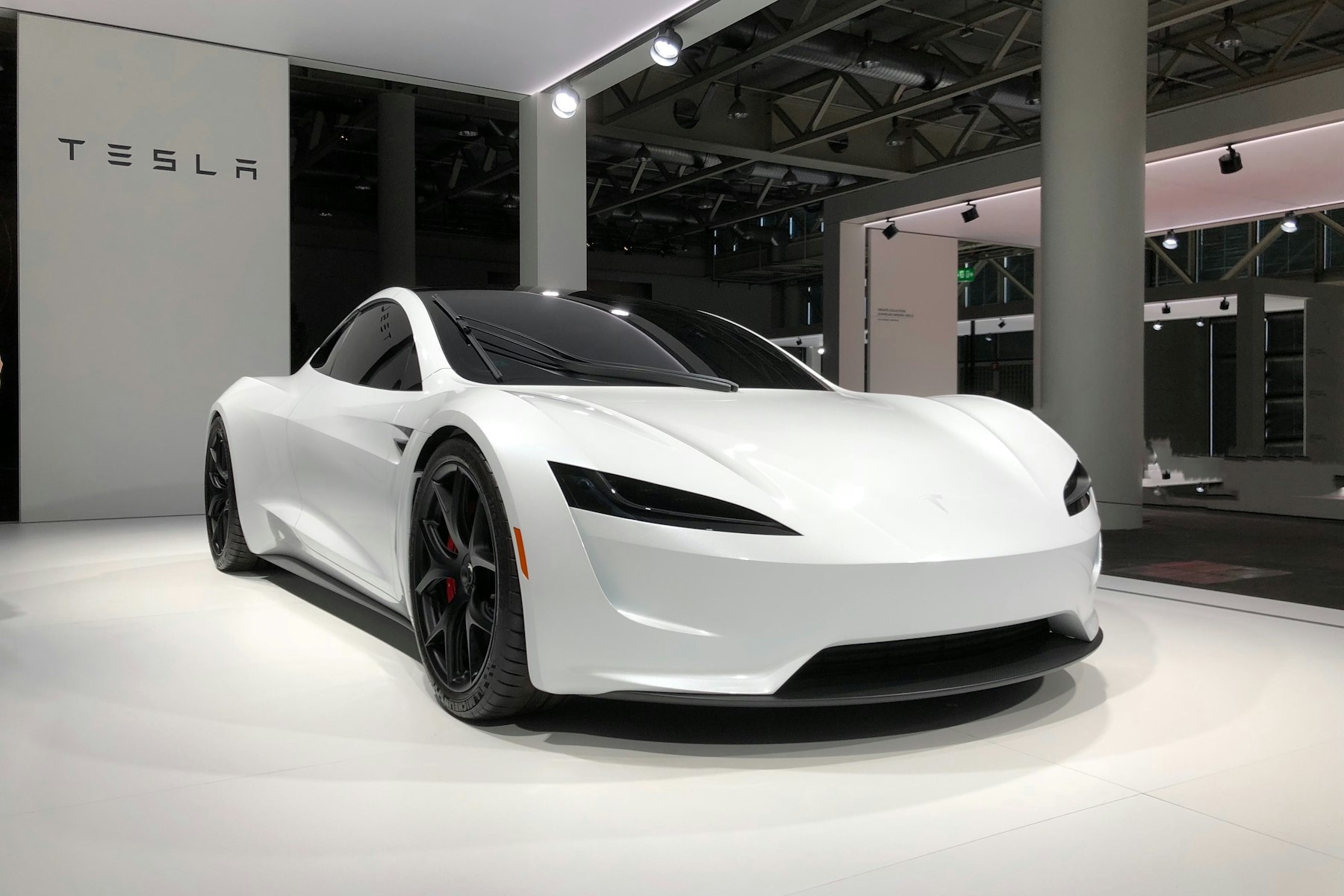
Illustration: premium EV sedan in a city setting (stock). Replace with licensed original photography before soft launch. Photo: Unsplash.
The US reality check first (read this before the spec table)
As of our last verification (29 Aug 2026), the BYD Seal is not a normal US retail purchase. Reporting across trade and auto outlets consistently describes US passenger-car entry as blocked or delayed by tariffs, compliance, and strategy — while BYD continues to operate in the US primarily through commercial products (electric buses/trucks), including manufacturing activity in California for heavy-duty vehicles.
That does not make the Seal “bad.” It makes the comparison asymmetric:
| Question | Tesla Model 3 (US) | BYD Seal (US shopper view) |
|---|---|---|
| Can I configure/order it on a brand site today? | Yes (Tesla.com) | No authorized US passenger retail launch widely reported |
| Service footprint for private owners | National Tesla service + mobile service (imperfect, but real) | No national private-owner Seal network to evaluate |
| Import / tariff friction | US-built/assembled for many configs; no “China EV” Section 301 stack on a China-built Seal path | China-origin EV imports face stacked duties widely reported in the 100%+ Section 301 era; landed cost analyses often erase the Seal’s overseas price advantage |
| Commute data you can collect this week | Real insurance quotes, Supercharger habits, local service wait times | Overseas reviews + commercial BYD presence — not the same as owning a Seal |
If a seller claims “we can get you a Seal next month, titled in California,” ask for NHTSA/EPA conformity, insurer written confirmation, and a Registered Importer paper trail — not Instagram photos.
Specs that matter vs specs that market
Overseas comparisons (UK/EU/AU-facing outlets) often frame Seal vs Model 3 as a near peer fight: similar sedan packaging, strong acceleration on performance trims, and a sticker that undercuts Tesla in those markets. Those write-ups are useful for understanding the product, not for assuming US transaction prices.
What marketing sells
- Peak range numbers (WLTP abroad vs EPA in the US —not interchangeable)
- 0–60 / 0–100 bragging rights
- Cabin screens and “tech”
What a US city commute actually taxes
- Winter and wet-range, not brochure range
- Charge behavior on your corridor (home L2 vs workplace vs road-trip DC)
- Service appointment latency within 40 miles
- Insurance + tire size in your ZIP
- Exit price if you sell in 3–5 years
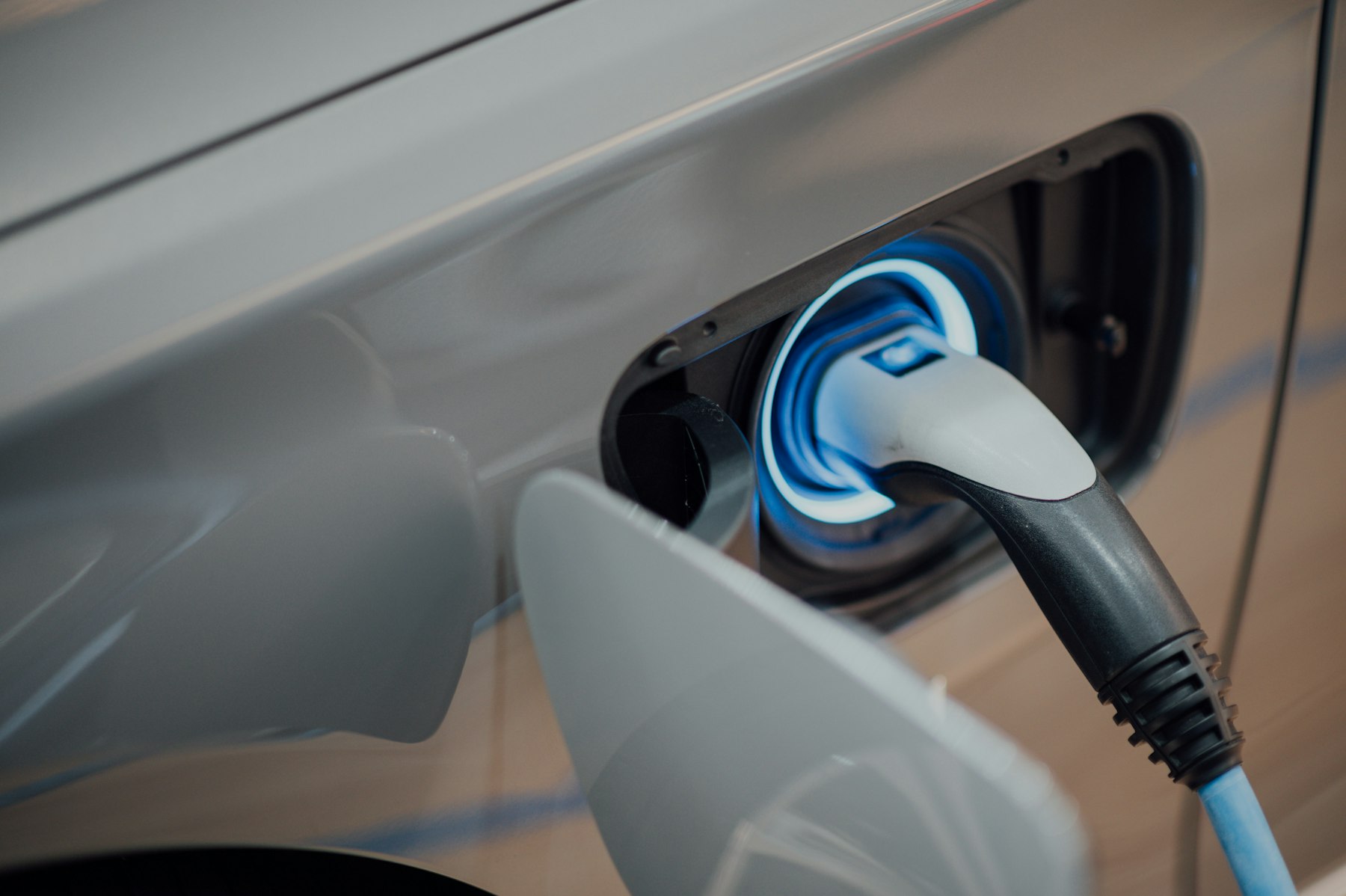
Home/workplace charging is the commute constraint for most US buyers — more than 0–60 times. Photo: Unsplash.
A practical comparison lens (not a dyno sheet)
Use this table as a decision lens. Exact Seal trim numbers vary by market year; Model 3 figures change with Tesla’s configurator. Always re-check Tesla’s live EPA estimate and local quotes.
| Commute factor | Lean Model 3 if— | “Seal interest” is rational if— |
|---|---|---|
| Availability | You need a car you can buy/register this quarter | You are researching future entry, Canada/Mexico travel, or company fleet policy — not a next-month US title |
| Charging | You already live inside Tesla charging habits or want mature app UX | You are comparing vehicle platforms for a later year when US retail exists |
| Service | You value a known private-owner service map (even if imperfect) | You accept that Seal private service is currently a hypothetical in the US |
| Total cost | You can model insurance + tires + electricity with real US quotes | You are modeling landed cost + compliance, not European list price screenshots |
| Resale | You may sell within ~4 years and want liquidity | You plan a long hold and treat brand familiarity risk as acceptable |
Tesla’s public Model 3 configurator (US) continues to advertise EPA-estimated range figures in the low-300-mile class for certain configs (verify live; one public design-page snapshot referenced ~321 mi EPA est. for a listed config as of spring 2026 pricing materials). Treat that as a starting point, then derate for cold weather and high-speed commuting.
US service network reality
Model 3
Tesla’s private-owner service network is imperfect — wait times and mobile-service quality vary by metro — but it is observable. You can:
- open the app and request service
- call a center with a hypothetical diagnosis
- ask local Model 3 owners about tire shops that know EV weight and alignment
That observability is part of the product.
BYD in the United States (what exists vs what people imagine)
Public explainers repeatedly separate:
- Commercial BYD in the US (buses, trucks, related manufacturing such as the Lancaster, CA heavy-duty footprint discussed in industry summaries)
- Passenger BYD retail for private buyers (not a normal nationwide dealer map for Seal/Dolphin/Atto-class cars as of 2026 reporting)
So “BYD has a factory in California” does not mean “my Seal can get bumper-to-bumper private service like a Chevy.” Different product lines, different customers, different parts pipelines.
Owner homework this week (Model 3 side): call two Tesla service desks with the same script (“diagnostic for a possible suspension noise, next available?”). Write down dates. That spreadsheet beats any influencer take.
Owner homework (Seal side): until US retail exists, your “service test” is really a policy + gray-market risk test — see the companion FairRange policy guide.
Resale and policy risk
For US shoppers, the Seal’s biggest “spec” is not battery chemistry marketing — it is trade policy.
Legal and trade analyses in 2025–2026 describe stacked US duties on China-origin EVs that can include a large Section 301 layer (widely discussed as a 100% EV tariff layer in recent policy cycles) plus other auto tariffs. Practitioner write-ups modeling a China-built Seal’s landed cost into the US often show the overseas value proposition collapsing once duties, freight, and compliance are stacked — before you even discuss Registered Importer conversion costs.
Canada is a different story in some 2026 reporting (quota/tariff experiments and expected dealer scouting). Do not assume Canadian rules equal California DMV rules.
Resale intuition for US commuters
| Hold period | Model 3 (typical) | Chinese passenger EV not yet in US retail |
|---|---|---|
| 2–3 years | Liquidity exists; price still swings with incentives and used EV supply | Resale is speculative until a real US used market exists |
| 6–10 years | More about battery health + parts | Only makes sense if you believe US retail + service will exist mid-hold |
Verdict
If you need a US city commute car in 2026: the honest Model 3 comparison is against other cars you can buy and insure this quarter (Hyundai/Kia EVs, Mach-E, Ioniq 6, etc.) — not against a Seal you cannot normally retail-title.
If you are researching Seal vs Model 3 because of global reviews: treat Seal as a strong global rival product whose US transaction price and service map are currently dominated by tariffs and market-entry barriers. Use overseas reviews for cabin/ride context; use US policy pages for buyability.
| Decision | Recommendation |
|---|---|
| Buy a commute EV in the US this year | Prioritize US-certified inventory; Model 3 remains a default shortlist item for charging/service observability |
| Wait for Chinese sedan value in the US | Watch tariffs, USMCA origin rules, and whether BYD builds a true private-owner network — not café-showroom rumors alone |
| Gray-market Seal | Assume high friction unless an RI + insurer + lender all say yes in writing |
This article synthesizes secondary reporting; it is not a dyno test or a dealer invoice. Re-verify Tesla configurator numbers and trade rules before money moves.
Sources
- Tesla Model 3: https://www.tesla.com/model3
- USTR — Section 301 modifications (EV additional duties to 100%): https://ustr.gov/sites/default/files/Section%20301%20Modifications%20Determination%20FRN%20%28Sept%2012%202024%29%20%28FINAL%29.pdf
- BIS — Connected vehicles final rule press release: https://www.bis.gov/press-release/commerce-finalizes-rule-secure-connected-vehicle-supply-chains-foreign-adversary-threats
- Federal Register / govinfo — Connected vehicles final rule: https://www.govinfo.gov/content/pkg/FR-2025-01-16/html/2025-00592.htm
- NHTSA — Importing a motor vehicle: https://www.nhtsa.gov/importing-vehicle
- USA Today — BYD Canada vs US restrictiveness: https://www.usatoday.com/story/cars/news/2026/01/20/byd-trade-deal-canada/88217293007/
- Electrek — BYD Canada interest; US market framing: https://electrek.co/2026/03/13/byd-open-to-building-cars-canada-acquiring-rival-automaker/
- BYD global site: https://www.byd.com/
- EPA — Explaining electric and hybrid vehicles: https://www.epa.gov/greenvehicles/explaining-electric-hybrid-vehicles
Editorial opinion for research only. Not financial, legal, or purchase advice. Last verified 30 Aug 2026.
FAQ
Can I buy a new BYD Seal at a US dealership today?
No. As of mid/late 2026 reporting, BYD passenger cars including the Seal are not sold through authorized US retail channels. BYD’s visible US footprint is mainly commercial (buses/trucks), not private Seal showrooms.
Why compare Seal and Model 3 for US commuters at all?
Because US shoppers keep seeing Seal vs Model 3 videos from Europe/Australia. This guide separates brochure rivalry from US purchase reality: tariffs, service, and what you can actually register tomorrow.
If tariffs fall, does Seal automatically win on price?
Not automatically. Even after a hypothetical tariff cut, you still need US safety/emissions certification, a parts/service map, insurance quotes, and winter-range honesty for your metro.
Editorial opinion for research only. Not financial, legal, or purchase advice. Last verified 2026-08-30.